 United States
US
United States
US








Teaching Kids in Vietnam: What It’s Really Like (+ Tips From a Teacher)

 December 9, 2025


Table of Contents
- Introduction
- What ages will you be teaching?
- What to expect
- Cultural expectations
- Pros and cons
- Top tips from a teacher
- Would teaching kids suit you?
Teach English in Vietnam? Don’t mind if I do!
Who wouldn’t want to teach English in Vietnam? But do you really know what you’re in for?
After three years of living in Hanoi and teaching children across both public schools and language centres, Taylor has stepped up to tell us what it’s like teaching English in Vietnam.
For this post, she’s focusing on teaching Young Learners. Is teaching kids in Vietnam the right fit for you?
As Taylor puts it: It’s one of the most rewarding things I’ve ever done, but it also comes with its challenges. The better prepared you are, the more confident you’ll feel from day one.
Right, let’s get into it.
What ages will you be teaching?
One of the best things about teaching in Vietnam is the flexibility. There’s no one-size-fits-all setup here.
In fact, Vietnam is one of the few countries where you can experiment with different age groups and teaching environments before signing a long-term contract.
Depending on your role, you might teach:
- Kindergarten (ages 3–6): Adorable, full of energy, and a little chaotic. Think lots of songs, dancing, repetition, and keeping a very close eye on who’s wandering off.
- Primary school (ages 6–11): Arguably the sweet spot. Curious, enthusiastic learners who still find everything exciting.
- High school (ages 12–18): A bit more challenging if you’re not used to managing older students, but often extremely rewarding and thoughtful learners.
- Language centres (ages 4–adult): These are usually smaller, after-school classes with a more relaxed environment and a broad mix of ages.
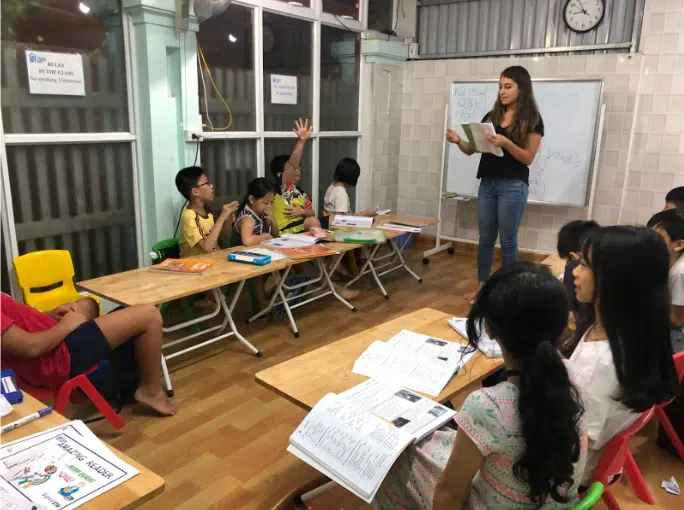
I taught at public primary schools by day and language centres in the evenings, which offered a great contrast and kept things interesting.
Read about Taylor’s daily life in more detail on the blog: A Day In The Life Of An English Teacher In Vietnam
What to expect from the classroom experience
Your experience will vary depending on where and what you teach, but here are a few things that are common across most classrooms in Vietnam:
- You’ll likely have a Teaching Assistant (TA): Especially in public schools, a Vietnamese TA is there to help with translation, crowd control, and keeping everything running smoothly. They will be your lifeline on the more chaotic days, so build a good relationship early on.
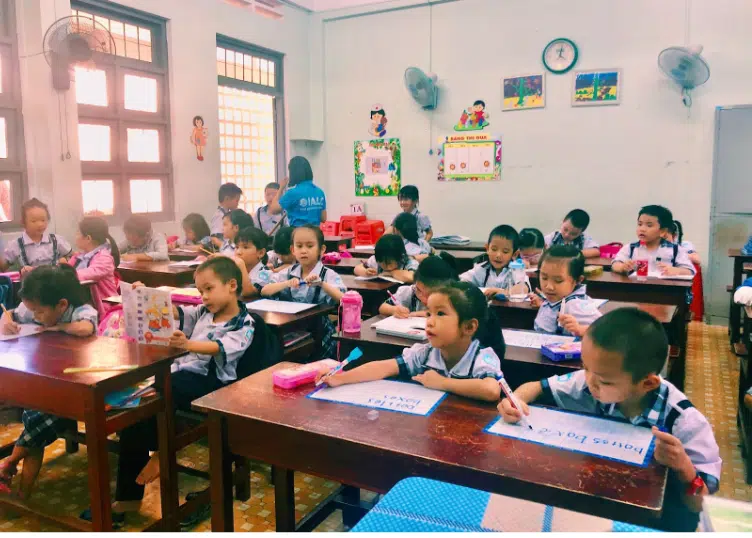
- Class sizes vary, and can be large: In public schools, it’s not unusual to have 35–50 students per class. That might sound overwhelming at first, but with time and rhythm, it becomes manageable. Language centres tend to cap classes at 10–15 students, offering a more intimate and slower-paced experience.
- Lesson lengths differ: Public school classes are typically around 35 to 45 minutes. Language centre sessions usually last 60 to 90 minutes.
- You’ll follow a set curriculum, but have room to personalise: Most schools and centres provide textbooks and general lesson plans. But how you deliver the content is often up to you, which allows for creativity.
Vietnamese students tend to be respectful, eager to learn, and genuinely excited about foreign teachers.
As you can imagine, with a class of 30 5-year-olds who don’t speak your language, a TA is a blessing!
Read more: Things To Know About Vietnamese Classroom Culture
Cultural expectations when teaching children in Vietnam
Understanding the classroom culture in Vietnam makes a huge difference. It helps things flow more smoothly and makes your job so much more enjoyable.
Here’s what I learned (sometimes the hard way) about the norms that shape teaching here:
Respect and hierarchy
One thing you’ll notice straight away is the level of respect students have for their teachers. You’ll likely be called “Teacher XYZ” or even by your Vietnamese title: Cô for women or Thầy for men.
Students are usually polite, quiet until spoken to, and often won’t correct you even if they spot a mistake. It might feel overly formal at first, especially if you’re used to more casual classrooms, but it’s a sign of respect. And once you settle in, you’ll probably come to love it.
Teacher-led learning
Vietnamese schools place a strong emphasis on repetition and memorisation.
You’ll often see students copying full sentences from the board or chanting vocabulary together as a class. It’s not how most of us were taught, but it works well in the local system.
That said, kids still respond really well to creative lessons and playful activities, especially when you blend structure with fun.
We’re not saying you need to overthrow your school education system, but it’s possible to bring your own TEFL flair into a teacher-led environment to make it more effective as a language learning classroom. Find out how, here: From Teacher-Centred To Learner-Centred
Shoes off
In many schools, particularly kindergartens and language centres, you’ll need to take your shoes off before entering the classroom. It’s all about keeping the space clean and showing respect.
Quiet discipline
It’s rare for Vietnamese teachers to raise their voices or call students out in front of the class. There’s a strong cultural value placed on helping students “save face.” This means avoiding embarrassment and offering correction in a kind, discreet way.
I learned that a quiet chat after class often worked far better than anything else.
Modesty and professionalism
When it comes to dress and behaviour, modesty is key. Avoid clothes that are too casual or revealing. Keep your outfits tidy, respectful, and comfortable. You don’t need to be overly formal, but coming across as professional will take you far.
Pros and cons of teaching children in Vietnam
Like any teaching job, there are highs and lows for teaching kids in Vietnam. Here’s an honest breakdown:
Pros:
- High demand for teachers: Families in Vietnam place high value on their children learning English, which means lots of jobs in public schools, kindergartens, and language centres.
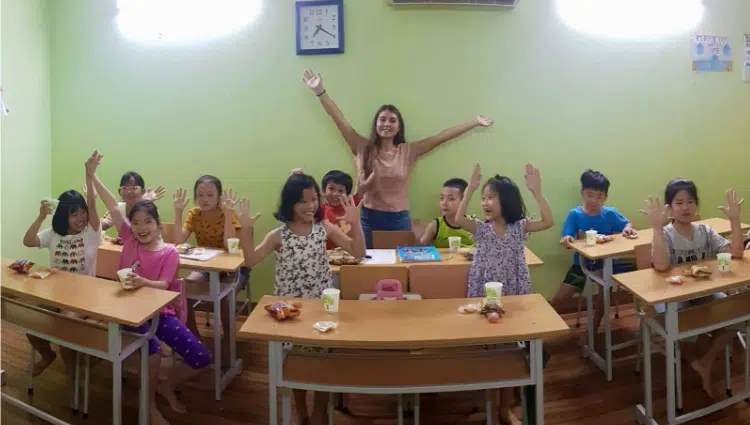
- Kids bring the energy: Younger learners are naturally curious, enthusiastic, and usually excited to have a foreign teacher in the room. Their joy is contagious, and even a small win (like nailing a new word) feels huge.
- You don’t need to be “serious” all the time: Songs, games, and storytelling are always welcome (and usually expected). If you enjoy being creative and playful, teaching kids gives you space to do that every day.
- They’re affectionate and expressive: From shy smiles to handmade cards with “I love you, Teacher!”, the emotional rewards of teaching children are unmatched.
Cons:
- Short attention spans: Especially with kindergarten and younger primary kids, you need to switch activities every 5–10 minutes to keep them engaged.
- Brain breaks are a great way of keeping things exciting in the classroom.
- Big class sizes: Managing 40 excitable six-year-olds is no small task. Crowd control quickly becomes a skill in itself.
- Lots of repetition: Kids need concepts drilled again and again. If you prefer deep discussions or independent learning, you may find it tiring.
- Unpredictable energy: Some days they’re angels, other days it feels like total chaos. Patience really is key.
Read more: Top Tips For Teaching Young Learners
Top tips from a teacher who has done it
So far, so good. But what tips can Taylor give us from her firsthand experience in the classroom?
After three years of teaching English in Vietnam, here’s the advice I wish I’d known:
- Don’t lock in a job too early
Unless you have a great offer, arrive first and spend a few weeks cover teaching (substitute teaching). It’s a great way to try different schools, age groups, and teaching environments before committing. - Keep it short and sweet. Kids lose focus quickly, so break lessons into 5–10 minute chunks and mix up activities often.
- Always have backup games. “Simon Says,” charades, fly swatter games, or a quick singalong can save the day if your plan falls flat or finishes early.
- Learn a few key Vietnamese classroom phrases. Words like “sit down,” “listen,” or “good job” help massively with younger students who might not understand English instructions yet.
- Use visuals and gestures. Flashcards, pictures, props, and even a bit of acting make lessons much more effective (and fun).
- Get comfortable being a bit silly. The more animated you are, the more engaged your students will be. Don’t be afraid to sing, dance, or pull funny faces.
- Build rapport. Kids thrive on connection. Remembering names, celebrating birthdays, or simply showing genuine interest goes a long way.

- Get TEFL Certified
A proper TEFL certificate from an accredited and internationally recognised provider like The TEFL Academy is essential for teaching English to kids in Vietnam.
Would teaching kids in Vietnam suit you?
Teaching children in Vietnam is not for everyone, but for the right person, it’s incredibly rewarding. If you love the idea of bringing energy, patience, and creativity to the classroom, you’ll thrive.
Kids need a teacher who can make English fun, whether that’s through games, songs, or storytelling. If you’re comfortable being playful, repeating yourself (a lot), and celebrating small wins, you’ll likely find it a joy.
On the flip side, if you prefer quiet classrooms, in-depth or more intellectual discussions, or working with independent learners, you may find teaching kids frustrating at times. The energy levels are high, the noise is real, and lesson plans rarely go exactly how you expect.
Read more: 6 Differences Between Teaching Adults And Young Learners
But here’s the payoff: when a six-year-old beams at you after saying their first full sentence in English, or a shy student finally puts up their hand with confidence, the pride you feel is indescribable. These little milestones always make the challenges so worth it.
If you’re patient, adaptable, and open to laughing at yourself along the way, teaching kids in Vietnam could be one of the most meaningful experiences of your life.
You’ll learn how to laugh at yourself. How to simplify big ideas. How to manage a classroom full of hyper six-year-olds without losing your cool. All real-life skills that stay with you long after you leave the classroom.
And beyond the teaching itself, you’ll experience a pace of life that’s both buzzing and balanced. Mornings spent sipping iced coffee from a quaint streetside cafe. Long lunch breaks with your colleagues. Afternoons that wind down into evenings with delectable street food and lakeside walks. Weekends strolling through rice terraces or taking night trains to the coast.
It’s a life rich in connection, growth, and moments you’ll never forget.
If you’re looking for more than just a job. If you’re after an experience that challenges, inspires, and opens up the world in a whole new way, teaching kids in Vietnam might just be the start of something life-changing.
Author Bio
Table of Contents
- Introduction
- What ages will you be teaching?
- What to expect
- Cultural expectations
- Pros and cons
- Top tips from a teacher
- Would teaching kids suit you?
Teach English in Vietnam? Don’t mind if I do!
Who wouldn’t want to teach English in Vietnam? But do you really know what you’re in for?
After three years of living in Hanoi and teaching children across both public schools and language centres, Taylor has stepped up to tell us what it’s like teaching English in Vietnam.
For this post, she’s focusing on teaching Young Learners. Is teaching kids in Vietnam the right fit for you?
As Taylor puts it: It’s one of the most rewarding things I’ve ever done, but it also comes with its challenges. The better prepared you are, the more confident you’ll feel from day one.
Right, let’s get into it.
What ages will you be teaching?
One of the best things about teaching in Vietnam is the flexibility. There’s no one-size-fits-all setup here.
In fact, Vietnam is one of the few countries where you can experiment with different age groups and teaching environments before signing a long-term contract.
Depending on your role, you might teach:
- Kindergarten (ages 3–6): Adorable, full of energy, and a little chaotic. Think lots of songs, dancing, repetition, and keeping a very close eye on who’s wandering off.
- Primary school (ages 6–11): Arguably the sweet spot. Curious, enthusiastic learners who still find everything exciting.
- High school (ages 12–18): A bit more challenging if you’re not used to managing older students, but often extremely rewarding and thoughtful learners.
- Language centres (ages 4–adult): These are usually smaller, after-school classes with a more relaxed environment and a broad mix of ages.
I taught at public primary schools by day and language centres in the evenings, which offered a great contrast and kept things interesting.
Read about Taylor’s daily life in more detail on the blog: A Day In The Life Of An English Teacher In Vietnam
What to expect from the classroom experience
Your experience will vary depending on where and what you teach, but here are a few things that are common across most classrooms in Vietnam:
- You’ll likely have a Teaching Assistant (TA): Especially in public schools, a Vietnamese TA is there to help with translation, crowd control, and keeping everything running smoothly. They will be your lifeline on the more chaotic days, so build a good relationship early on.
- Class sizes vary, and can be large: In public schools, it’s not unusual to have 35–50 students per class. That might sound overwhelming at first, but with time and rhythm, it becomes manageable. Language centres tend to cap classes at 10–15 students, offering a more intimate and slower-paced experience.
- Lesson lengths differ: Public school classes are typically around 35 to 45 minutes. Language centre sessions usually last 60 to 90 minutes.
- You’ll follow a set curriculum, but have room to personalise: Most schools and centres provide textbooks and general lesson plans. But how you deliver the content is often up to you, which allows for creativity.
Vietnamese students tend to be respectful, eager to learn, and genuinely excited about foreign teachers.
As you can imagine, with a class of 30 5-year-olds who don’t speak your language, a TA is a blessing!
Read more: Things To Know About Vietnamese Classroom Culture
Cultural expectations when teaching children in Vietnam
Understanding the classroom culture in Vietnam makes a huge difference. It helps things flow more smoothly and makes your job so much more enjoyable.
Here’s what I learned (sometimes the hard way) about the norms that shape teaching here:
Respect and hierarchy
One thing you’ll notice straight away is the level of respect students have for their teachers. You’ll likely be called “Teacher XYZ” or even by your Vietnamese title: Cô for women or Thầy for men.
Students are usually polite, quiet until spoken to, and often won’t correct you even if they spot a mistake. It might feel overly formal at first, especially if you’re used to more casual classrooms, but it’s a sign of respect. And once you settle in, you’ll probably come to love it.
Teacher-led learning
Vietnamese schools place a strong emphasis on repetition and memorisation.
You’ll often see students copying full sentences from the board or chanting vocabulary together as a class. It’s not how most of us were taught, but it works well in the local system.
That said, kids still respond really well to creative lessons and playful activities, especially when you blend structure with fun.
We’re not saying you need to overthrow your school education system, but it’s possible to bring your own TEFL flair into a teacher-led environment to make it more effective as a language learning classroom. Find out how, here: From Teacher-Centred To Learner-Centred
Shoes off
In many schools, particularly kindergartens and language centres, you’ll need to take your shoes off before entering the classroom. It’s all about keeping the space clean and showing respect.
Quiet discipline
It’s rare for Vietnamese teachers to raise their voices or call students out in front of the class. There’s a strong cultural value placed on helping students “save face.” This means avoiding embarrassment and offering correction in a kind, discreet way.
I learned that a quiet chat after class often worked far better than anything else.
Modesty and professionalism
When it comes to dress and behaviour, modesty is key. Avoid clothes that are too casual or revealing. Keep your outfits tidy, respectful, and comfortable. You don’t need to be overly formal, but coming across as professional will take you far.
Pros and cons of teaching children in Vietnam
Like any teaching job, there are highs and lows for teaching kids in Vietnam. Here’s an honest breakdown:
Pros:
- High demand for teachers: Families in Vietnam place high value on their children learning English, which means lots of jobs in public schools, kindergartens, and language centres.
- Kids bring the energy: Younger learners are naturally curious, enthusiastic, and usually excited to have a foreign teacher in the room. Their joy is contagious, and even a small win (like nailing a new word) feels huge.
- You don’t need to be “serious” all the time: Songs, games, and storytelling are always welcome (and usually expected). If you enjoy being creative and playful, teaching kids gives you space to do that every day.
- They’re affectionate and expressive: From shy smiles to handmade cards with “I love you, Teacher!”, the emotional rewards of teaching children are unmatched.
Cons:
- Short attention spans: Especially with kindergarten and younger primary kids, you need to switch activities every 5–10 minutes to keep them engaged.
- Brain breaks are a great way of keeping things exciting in the classroom.
- Big class sizes: Managing 40 excitable six-year-olds is no small task. Crowd control quickly becomes a skill in itself.
- Lots of repetition: Kids need concepts drilled again and again. If you prefer deep discussions or independent learning, you may find it tiring.
- Unpredictable energy: Some days they’re angels, other days it feels like total chaos. Patience really is key.
Read more: Top Tips For Teaching Young Learners
Top tips from a teacher who has done it
So far, so good. But what tips can Taylor give us from her firsthand experience in the classroom?
After three years of teaching English in Vietnam, here’s the advice I wish I’d known:
- Don’t lock in a job too early
Unless you have a great offer, arrive first and spend a few weeks cover teaching (substitute teaching). It’s a great way to try different schools, age groups, and teaching environments before committing. - Keep it short and sweet. Kids lose focus quickly, so break lessons into 5–10 minute chunks and mix up activities often.
- Always have backup games. “Simon Says,” charades, fly swatter games, or a quick singalong can save the day if your plan falls flat or finishes early.
- Learn a few key Vietnamese classroom phrases. Words like “sit down,” “listen,” or “good job” help massively with younger students who might not understand English instructions yet.
- Use visuals and gestures. Flashcards, pictures, props, and even a bit of acting make lessons much more effective (and fun).
- Get comfortable being a bit silly. The more animated you are, the more engaged your students will be. Don’t be afraid to sing, dance, or pull funny faces.
- Build rapport. Kids thrive on connection. Remembering names, celebrating birthdays, or simply showing genuine interest goes a long way.
- Get TEFL Certified
A proper TEFL certificate from an accredited and internationally recognised provider like The TEFL Academy is essential for teaching English to kids in Vietnam.
Would teaching kids in Vietnam suit you?
Teaching children in Vietnam is not for everyone, but for the right person, it’s incredibly rewarding. If you love the idea of bringing energy, patience, and creativity to the classroom, you’ll thrive.
Kids need a teacher who can make English fun, whether that’s through games, songs, or storytelling. If you’re comfortable being playful, repeating yourself (a lot), and celebrating small wins, you’ll likely find it a joy.
On the flip side, if you prefer quiet classrooms, in-depth or more intellectual discussions, or working with independent learners, you may find teaching kids frustrating at times. The energy levels are high, the noise is real, and lesson plans rarely go exactly how you expect.
Read more: 6 Differences Between Teaching Adults And Young Learners
But here’s the payoff: when a six-year-old beams at you after saying their first full sentence in English, or a shy student finally puts up their hand with confidence, the pride you feel is indescribable. These little milestones always make the challenges so worth it.
If you’re patient, adaptable, and open to laughing at yourself along the way, teaching kids in Vietnam could be one of the most meaningful experiences of your life.
You’ll learn how to laugh at yourself. How to simplify big ideas. How to manage a classroom full of hyper six-year-olds without losing your cool. All real-life skills that stay with you long after you leave the classroom.
And beyond the teaching itself, you’ll experience a pace of life that’s both buzzing and balanced. Mornings spent sipping iced coffee from a quaint streetside cafe. Long lunch breaks with your colleagues. Afternoons that wind down into evenings with delectable street food and lakeside walks. Weekends strolling through rice terraces or taking night trains to the coast.
It’s a life rich in connection, growth, and moments you’ll never forget.
If you’re looking for more than just a job. If you’re after an experience that challenges, inspires, and opens up the world in a whole new way, teaching kids in Vietnam might just be the start of something life-changing.
Author Bio
